
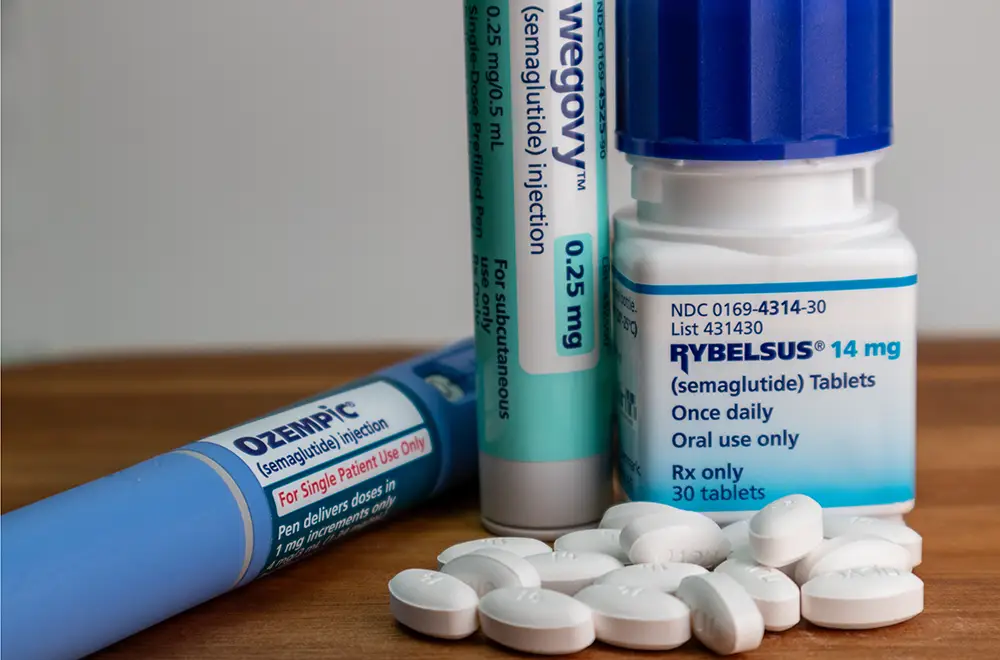
Semigulate, a term often used interchangeably with semaglutide, refers to a class of medications known as GLP-1 receptor agonists. These medications have gained attention for their role in managing certain metabolic conditions. Before considering semigulate as a treatment option, it is important to understand key factors that influence its suitability and effectiveness. This guide offers a practical checklist to help navigate choices around semigulate in 2026, providing clarity and confidence for informed decision-making.
Understanding Semigulate and Its Context
Semigulate medications mimic the glucagon-like peptide-1 hormone, which plays a role in regulating blood sugar and appetite. They are primarily prescribed in the context of managing blood sugar levels in individuals with type 2 diabetes and may have additional effects on weight management. However, not all semigulates are the same, and their use requires careful consideration of personal health status, goals, and potential risks.
Key Considerations Before Choosing Semigulate
1. Medical History and Current Health Status
Before starting any GLP-1 medication, review your medical history with a healthcare professional. Factors such as existing gastrointestinal issues, a history of pancreatitis, or thyroid conditions may influence whether semigulate is appropriate. Knowing these details helps tailor a treatment plan that prioritizes safety.
2. Treatment Goals and Expectations
Clarify what you hope to achieve with semigulate. Are you seeking improved blood sugar control, weight management support, or both? Understanding realistic outcomes based on current clinical knowledge can help set expectations and guide ongoing monitoring.
3. Dosage Forms and Administration
Semigulate medications come in various formulations, including injections and oral tablets. Consider your comfort with administration methods, frequency of dosing, and lifestyle compatibility. This practical aspect often determines adherence and overall satisfaction with treatment.
4. Potential Side Effects and Management
Common side effects of semigulate can include nausea, digestive discomfort, and changes in appetite. Being aware of these, along with strategies for management such as dose adjustments or dietary changes, can improve the overall treatment experience.
5. Cost and Insurance Coverage
Semigulate medications may vary in cost depending on the brand, formulation, and insurance coverage. Investigate out-of-pocket expenses and assistance programs to ensure the treatment plan is financially feasible over the long term.
A Practical Evaluation Framework for Semigulate Options
When evaluating semigulate medications, apply a straightforward framework focusing on safety, efficacy, convenience, and cost.
Safety: Confirm no contraindications exist based on your health profile. Consult with a healthcare professional to assess risk factors.
Efficacy: Review clinical data and patient outcomes relevant to your treatment goals, ensuring the chosen semigulate aligns with desired effects.
Convenience: Evaluate administration methods and dosing schedules to match your daily routine and preferences.
Cost: Analyze insurance coverage and out-of-pocket expenses, balancing financial considerations with treatment benefits.
This balanced framework helps weigh options objectively and supports shared decision-making with healthcare providers.
Further Information and Trusted Resources
For a detailed look into semaglutide medications, including their mechanisms, uses, and practical advice, the FormBlends guide offers a comprehensive resource worth consulting. It presents up-to-date information that can complement professional medical advice and personal research.
Short FAQ
What is the difference between semagulate and semaglutide?
Semagulate is often a colloquial or shorthand reference to semaglutide, which is a specific GLP-1 receptor agonist medication. They generally refer to the same class of drugs.
Can semigulate medications be used for weight loss alone?
While semigulate medications may influence appetite and weight, their primary approval is for blood sugar management in type 2 diabetes. Use for weight loss alone should be discussed with a healthcare provider.
How long does it take to see effects from semigulate?
Response times vary depending on individual factors and treatment goals. Some may notice changes within weeks, while others may require longer periods for full effect.
Final Note
This information is provided for educational purposes only and does not replace professional medical advice. Always consult a healthcare professional before starting or changing any medication regimen.
What to verify before acting
Before a reader relies on any comparison about what are semaglutide complete guide glp1 medication, the safest move is to confirm the basics directly. Check when the page was last updated, whether the criteria are explained clearly, and whether the recommendation separates facts from marketing claims. It also helps to compare total cost, access requirements, support, refund language, and any limits that could change the real-world value of an option.
The goal is not to find a perfect answer from one article. The goal is to narrow the search to a short list, understand the tradeoffs, and know which questions to ask next. That approach is slower than clicking the first result, but it usually produces a better decision and reduces the chance of being pulled in by a page that ranks well without explaining enough.